How to Use Alipay in China
A practical guide for first-time visitors, medical travelers, and overseas Chinese returning to China
Alipay is one of the most important apps to prepare before traveling to China. In many Chinese cities, people use mobile payment for restaurants, taxis, shops, coffee, hospitals, pharmacies, metro tickets, shared bikes, and many other daily services.
For international visitors, Alipay can make daily life in China much easier. Overseas users can download Alipay, choose the international version, and bind an international bank card.
Need Help in Beijing?
We help international patients with hospital appointments, translation, patient escort and practical travel support in Beijing.
Free WhatsApp Consultation Contact Us1. What Is Alipay?
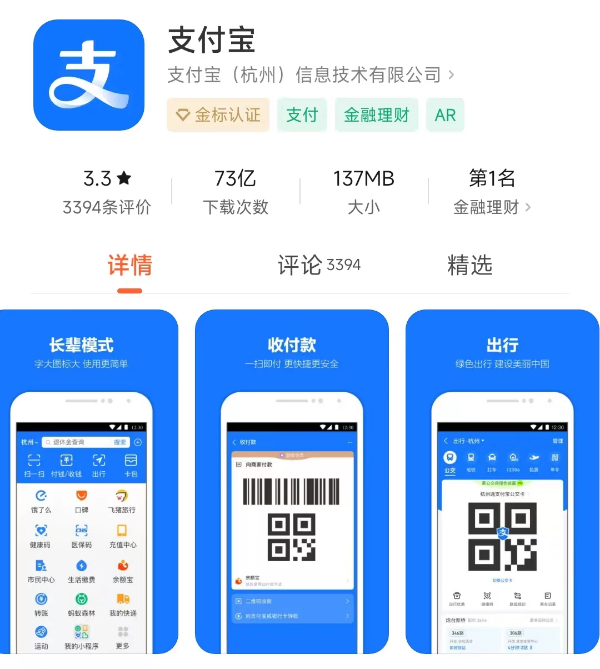
Alipay is a mobile payment and lifestyle app widely used across China. You can use it to scan QR codes, pay merchants, call taxis, use public transport, order food, and access many local services.
2. Can Foreign Visitors Use Alipay?
Yes. Foreign visitors can use Alipay in China by linking supported international bank cards. Visa, Mastercard, Diners Club, Discover, and some other international cards may be supported, depending on your card issuer and region.
3. How to Set Up Alipay
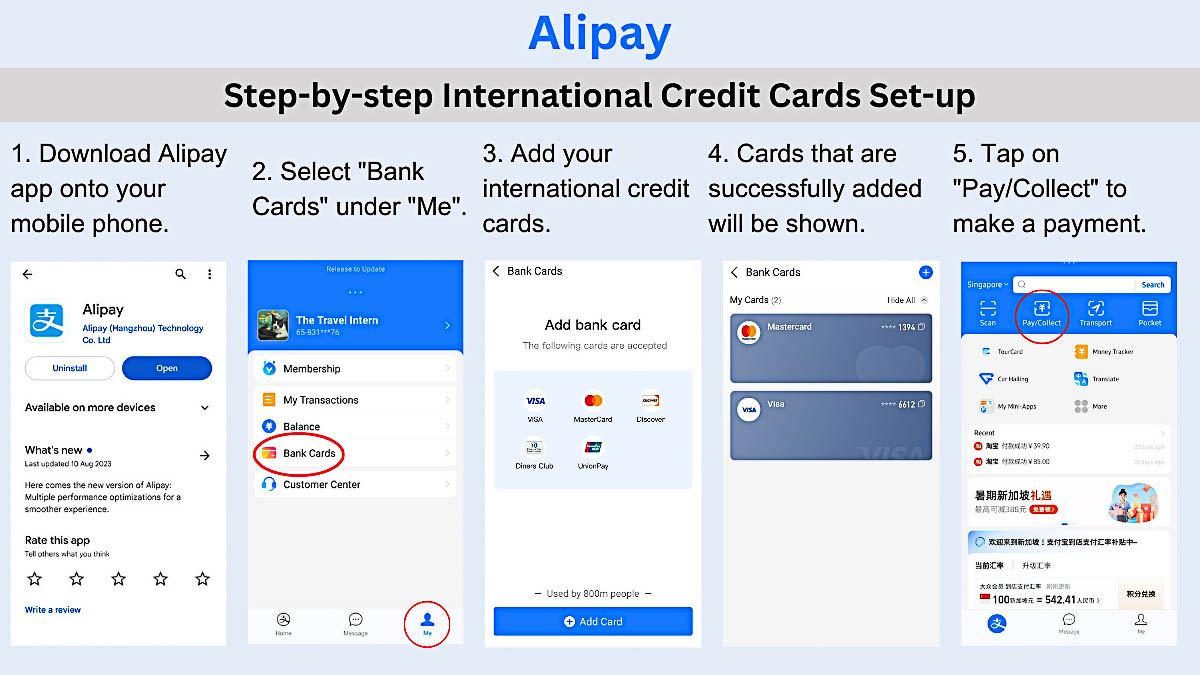
Step 1: Download the App
Download Alipay from the Apple App Store or Google Play. The Chinese name is 支付宝.
Step 2: Register an Account
Open the app and register with your mobile number. Use the phone number you can receive SMS verification codes on while traveling.
Step 3: Choose the International Version
Overseas users may be guided to the international version of Alipay. This version is designed for visitors who do not have a Chinese bank account.
Step 4: Add Your Bank Card
Add your international Visa, Mastercard, or other supported bank card. The cardholder name should match your identity information.
Step 5: Complete Identity Verification
You may need to complete identity verification using your passport information. This step helps reduce payment problems later.
4. How to Pay with Alipay
There are two common ways to pay:
Option A: You Scan the Merchant’s QR Code
At many shops and restaurants, you scan the merchant’s QR code, enter the amount, and confirm the payment.
Option B: The Merchant Scans Your Payment Code
In supermarkets, hospitals, coffee shops, and larger stores, open your payment code in Alipay. The cashier scans your code and the payment is completed.
5. Where Can You Use Alipay?
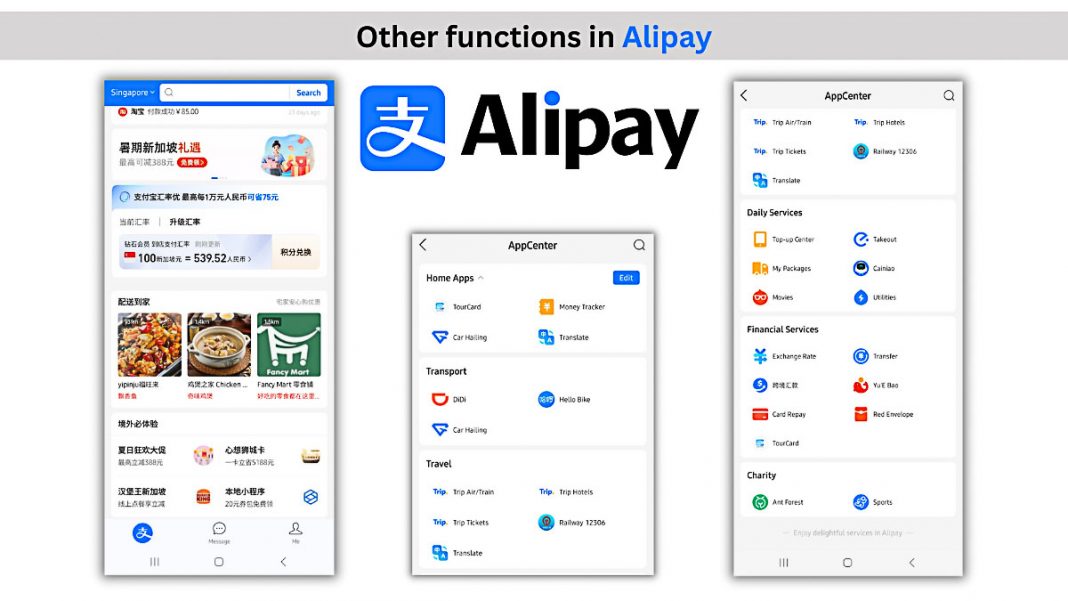
- Restaurants and cafés
- Supermarkets and convenience stores
- Taxis and ride-hailing services
- Metro and public transport in many cities
- Hospitals and pharmacies
- Hotels and tourist attractions
- Food delivery and local services
6. Using Alipay During a Hospital Visit
Many hospitals in China use QR payment at registration counters, payment machines, pharmacy windows, laboratory payment desks, and imaging departments.
If you are visiting China for medical care, Alipay can help you pay for registration fees, blood tests, CT scans, MRI scans, medication, and other hospital-related costs.
However, each hospital may have different systems. Some services may still require passport registration, hospital card registration, or assistance from staff.
7. Fees and Limits
When using an international bank card, there may be service fees or transaction limits. Small payments are often easier. Larger payments may require card verification or may be rejected by your bank.
Before traveling, contact your bank and tell them you may use your card in China. This can reduce the risk of blocked payments.
8. Common Problems
- Your bank blocks the transaction
- Your phone cannot receive SMS codes
- Your card is not supported
- The merchant does not accept foreign-card-linked Alipay payments
- Your passport verification has not been completed
- The hospital system requires local registration first
9. What Backup Payment Methods Should You Have?
Do not rely on only one method. Prepare at least two payment options.
- Alipay
- WeChat Pay
- One international bank card
- Some cash in RMB
- A trusted local contact if possible
10. Why Alipay Is Useful for Medical Travelers
Medical visits can be tiring. You may need to move between hospital buildings, pay several times, take taxis, buy medication, order food, and collect reports. Alipay can make these small daily tasks much easier.
For first-time visitors, the biggest challenge is not only medical care itself, but also understanding the local system, payment methods, hospital layout, and language.
How Chinese Medical Navigator Can Help
Chinese Medical Navigator helps international visitors with hospital navigation, appointment preparation, translation support, and practical arrangements in Beijing.
We do not provide diagnosis, prescriptions, or medical treatment advice. Our role is to help you understand the process and reduce confusion during your medical trip.