How to Use High-Speed Rail in China
A practical guide for first-time visitors, medical travelers, and overseas Chinese returning to China
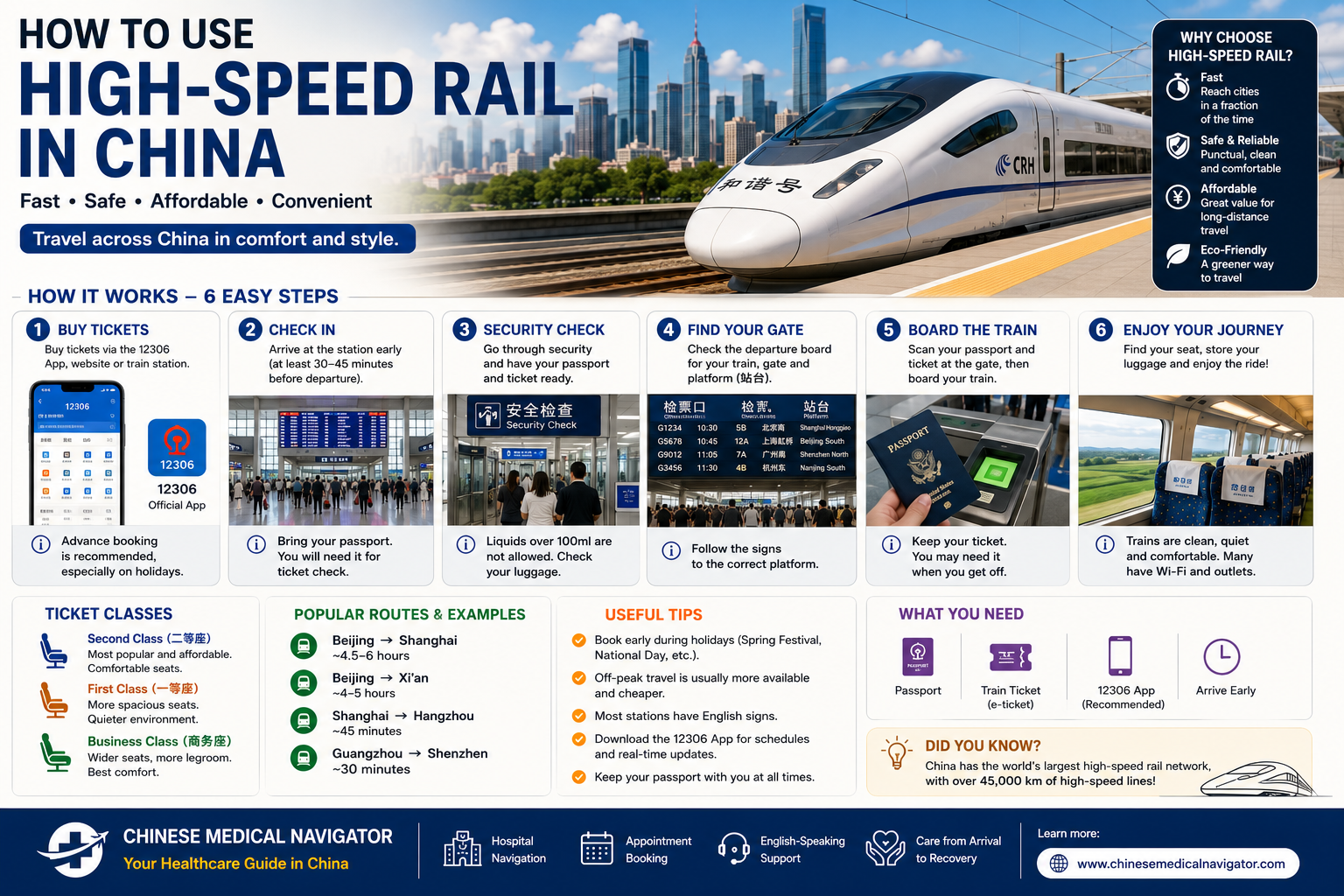
China’s high-speed rail system is one of the easiest ways to travel between major cities. For many routes, it can be more convenient than flying, especially when you count airport travel time, check-in, security, delays, and transport from the airport to the city center.
For medical travelers, high-speed rail can be useful if you need to travel from Beijing to another city for a consultation, treatment, family visit, or recovery stay.
1. What Is High-Speed Rail in China?
High-speed trains in China usually use train numbers beginning with G, D, or C. These trains are fast, clean, and usually punctual.
- G trains: the fastest high-speed trains
- D trains: fast trains, sometimes slightly slower than G trains
- C trains: intercity trains, often used between nearby cities
2. Why High-Speed Rail Is Useful for Visitors
- Stations are often closer to city centers than airports
- Boarding is usually faster than flying
- Seats are comfortable for medium-distance travel
- Large cities are connected by frequent trains
- You can avoid some airport delays
- It is suitable for one-day or two-day city trips
3. How to Buy High-Speed Rail Tickets
Foreign visitors can usually buy tickets with a passport. The most common booking options are:
- 12306: the official China Railway platform
- Trip.com: easier for many foreign visitors because it has English support
- Train station ticket counters: useful if you need staff help
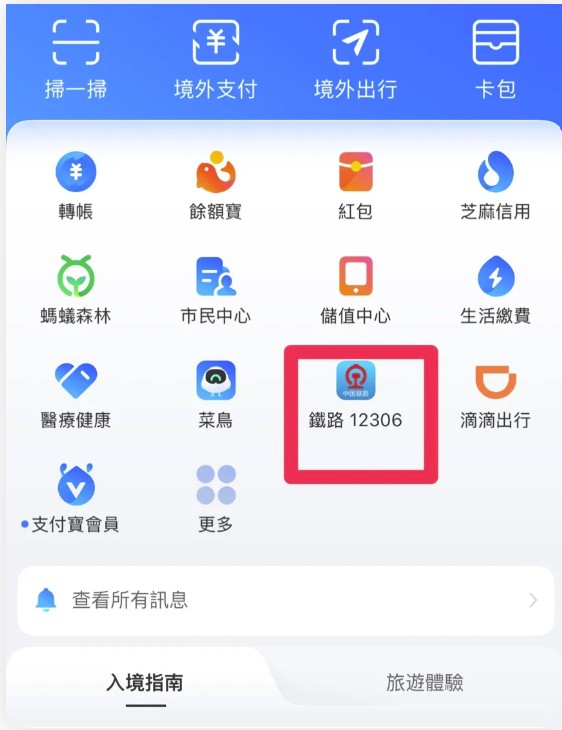
When booking, your name and passport number must match your passport exactly. Bring the same passport to the station on the travel day.
4. What Information Do You Need to Book?
- Full name exactly as shown on your passport
- Passport number
- Departure city
- Arrival city
- Travel date
- Preferred train time
- Seat class
5. Seat Classes
Most high-speed trains offer several seat classes.
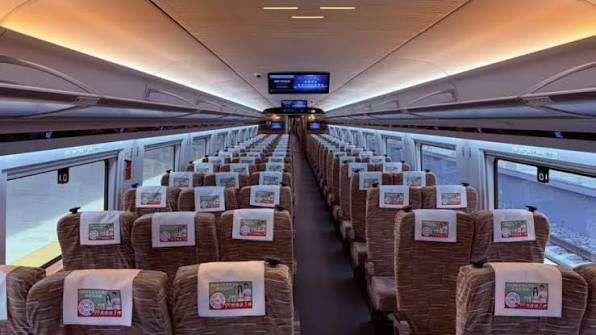
- Second Class: the most common and affordable option
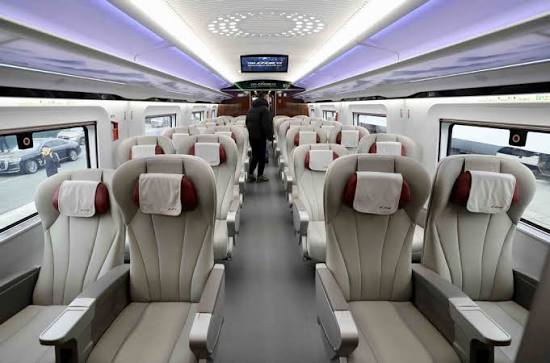
- First Class: wider seats and more space
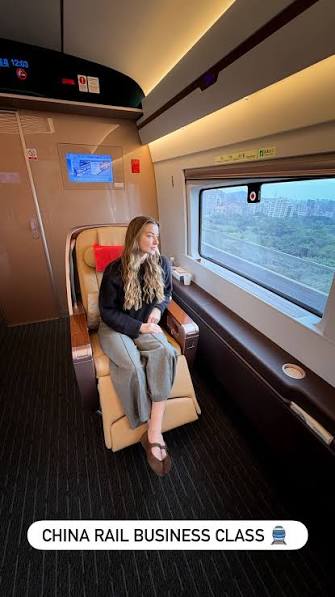
- Business Class: the most comfortable and expensive option
For most travelers, second class is enough. If you are elderly, recovering from medical treatment, or need more space, first class may be more comfortable.
6. Arrive Early at the Station
Chinese railway stations can be large and busy. For first-time visitors, it is better to arrive at least 60–90 minutes before departure.
You may need time for:
- Finding the correct entrance
- Passport check
- Security check
- Finding the waiting hall
- Checking the platform gate
- Boarding the train
7. Entering the Station with a Passport
Chinese citizens often use ID cards to enter railway stations automatically. Foreign visitors normally need to use their passport.
Some stations have manual passport lanes. Look for staff assistance if the automatic gate does not work.
8. Security Check
Before entering the waiting area, all passengers go through a security check. Your bags will pass through a scanner, similar to airport security, but usually faster.
Avoid carrying prohibited items such as large knives, dangerous chemicals, flammable liquids, or oversized restricted items.
9. Finding Your Train and Platform
After security, look at the large electronic boards. Find your train number, departure time, destination, and boarding gate.
Boarding usually begins shortly before departure. When your gate opens, follow other passengers and prepare your passport.
10. On the Train
Train carriages are numbered. Your ticket information will show your carriage and seat number.
Luggage racks are available above the seats, and larger luggage areas are usually located near carriage doors. Keep important items such as passport, wallet, phone, and medical documents with you.
11. Food and Drinks
Some high-speed trains sell boxed meals, snacks, water, coffee, and tea. Many passengers also bring their own food and drinks from the station.
If you have medical dietary needs, it is better to prepare your own food before boarding.
12. Arrival and City Transfer
After arrival, follow signs for exits, taxi areas, metro lines, or ride-hailing pickup points. Large stations may have several exits, so check your destination before leaving the station.
If you are going directly to a hospital, prepare the hospital name and address in Chinese. This makes it much easier to show taxi drivers or local staff.
13. Tips for Medical Travelers
- Do not travel long-distance immediately after a tiring medical test
- Keep medical documents in your hand luggage
- Prepare water, snacks, and medication
- Choose first class if you need more space or comfort
- Allow extra time between train arrival and hospital appointment
- Save your hospital address in Chinese
Need Help in Beijing?
We help international patients with hospital appointments, translation, patient escort and practical travel support in Beijing.
Free WhatsApp Consultation Contact Us- How Hospital Registration Works in China
- What Happens During a Hospital Visit in China
- Can Foreigners Get Medical Treatment in China?
How Chinese Medical Navigator Can Help
Chinese Medical Navigator helps international visitors with hospital navigation, appointment preparation, translation support, and practical arrangements in Beijing.
If your medical trip includes train travel, we can help you understand routes, timing, hospital location, and local transport options.
We do not provide diagnosis, prescriptions, or medical treatment advice. Our role is to help you navigate the process more efficiently.