Can I Have Surgery in China as a Foreigner?
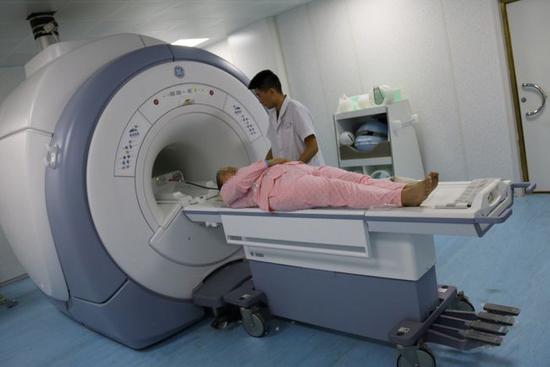
Yes. Foreigners can have surgery in China, depending on the hospital, the medical condition, the doctor's evaluation, and whether the patient is medically suitable for surgery.
China has many large public hospitals, specialist hospitals, and international medical centers that provide surgical care for both Chinese and international patients.
Can Foreigners Undergo Surgery in China?
In many cases, foreign patients can receive surgical treatment in China. However, surgery is not usually arranged directly without evaluation.
A typical process may include:
- Initial consultation with a specialist
- Review of previous medical records
- Physical examination
- MRI, CT, X-ray, ultrasound, or laboratory tests if needed
- Doctor's assessment of whether surgery is necessary
- Discussion of risks, costs, hospital stay, and recovery plan
- Hospital admission if surgery is confirmed
What Types of Surgery Are Available?
Large hospitals in China provide many types of surgery, including:
- Orthopedic surgery
- Spine surgery
- Joint replacement surgery
- General surgery
- Eye surgery
- ENT surgery
- Cardiac and vascular surgery
- Cancer-related surgery
- Plastic and reconstructive surgery
The availability of surgery depends on the hospital, department, doctor, diagnosis, and medical risk.
How Do I Book a Surgical Consultation?
For most foreign patients, the first step is not booking surgery directly, but booking a specialist consultation.
During the consultation, the doctor will review your condition and decide whether surgery is appropriate. In many cases, additional imaging or blood tests may be required before a treatment plan can be made.
If surgery is recommended, the hospital will usually explain the admission process, expected costs, possible risks, recovery time, and required pre-operative examinations.
How Much Does Surgery Cost in China?
Surgery costs in China vary widely depending on the hospital, city, department, complexity of the operation, length of hospital stay, anesthesia, materials, implants, medication, and follow-up care.
Public hospitals are often more affordable than international hospitals, but they may also be busier and more difficult to navigate without Chinese-language support.
Before making a decision, foreign patients should ask for a cost estimate and understand what is included.
What Documents Should You Bring?
Before arranging a surgical consultation in China, it is helpful to prepare:
- Passport
- Previous diagnosis
- Medical reports
- MRI, CT, X-ray, or ultrasound images
- Blood test results
- Medication list
- Allergy information
- Previous surgery records if available
- Insurance documents if applicable
Clear medical records can help doctors understand your condition faster and avoid unnecessary repeated tests.
Do Chinese Hospitals Speak English?
Some international hospitals and VIP departments may provide English-speaking services.
However, many large public hospitals mainly operate in Chinese. Even if some doctors can speak English, registration, payment, nursing communication, hospital admission, consent forms, and follow-up instructions may still be handled mostly in Chinese.
Why Medical Navigation and Interpretation Can Be Important
Surgery involves more than one appointment. It may require specialist consultations, diagnostic tests, hospital registration, payment procedures, informed consent, admission arrangements, communication with doctors and nurses, and post-operative follow-up.
For foreign patients, this process can be difficult if they do not speak Chinese or do not understand how Chinese hospitals work.
Professional medical navigation and interpretation services can help patients:
- Choose a suitable hospital or department
- Book specialist consultations
- Prepare and organize medical records
- Communicate clearly with doctors
- Understand hospital procedures
- Navigate payment and registration systems
- Reduce confusion during hospital visits
This support can be especially important when surgery is being considered, because misunderstandings about diagnosis, risks, treatment options, costs, or recovery instructions may have serious consequences.
Final Thoughts
Foreigners can have surgery in China, but the process usually begins with a specialist consultation and medical evaluation.
China's major hospitals are large, busy, and highly experienced, but they can also be difficult for first-time visitors to navigate.
If you are considering surgery in China, preparing your medical records in advance and having professional local assistance can make the process clearer, safer, and more efficient.