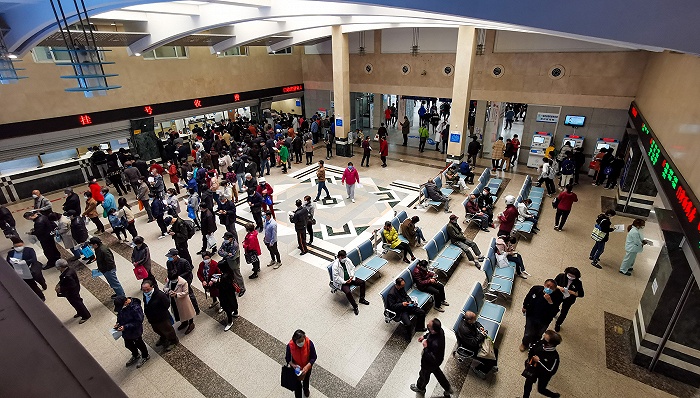
Many foreign visitors are surprised by how easy it can be to see a doctor in China. Unlike many European countries where patients may wait weeks or months for specialist appointments, many hospitals in China allow patients to book appointments within days, and sometimes even on the same day.
This guide explains the most common ways to book a doctor appointment in China and what international visitors should prepare before visiting a hospital.
1. Can Foreigners Book Doctor Appointments in China?
Yes. Foreign visitors can receive medical treatment in China and can usually book appointments at public hospitals, private hospitals, and international medical centers.
You normally only need:
- Your passport
- Your phone number
- Payment method (cash, card, Alipay, or WeChat Pay)
- Medical records if available
2. Booking Through Hospital Apps
Many large Chinese hospitals have their own mobile apps or WeChat services where patients can:
- Choose a department
- Select a doctor
- Choose a date and time
- Pay registration fees online
Most systems are designed for Chinese users, so international visitors may need assistance with translation.
3. Booking Through WeChat
WeChat is one of the most common ways to make medical appointments in China.
Many hospitals allow patients to:
- Register online
- Book specialist appointments
- Receive appointment reminders
- View test results
Some hospitals also allow payments directly through WeChat Pay.
4. Walk-In Registration
Many hospitals still accept walk-in patients.
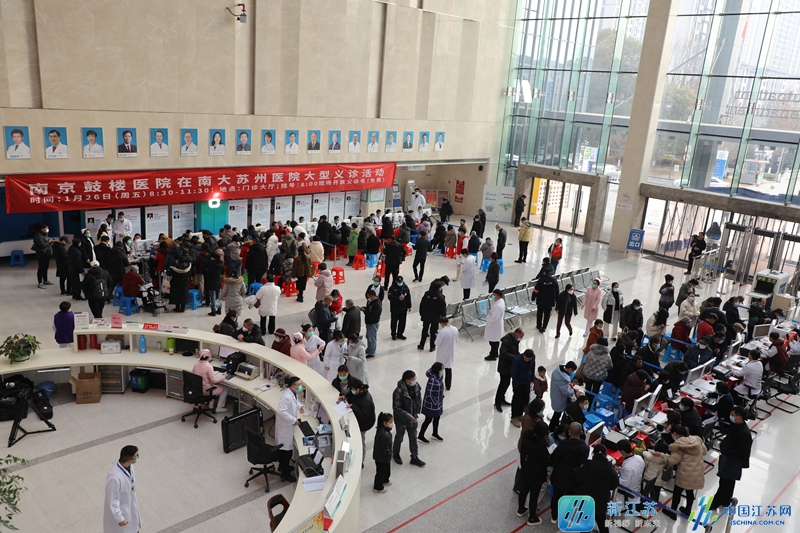
For general outpatient clinics, patients can often register directly at the hospital registration counter on the same day.
However, popular specialists may have limited availability, so advance booking is recommended.
5. Booking Specialist Appointments
China has many highly experienced specialists in major cities such as Beijing, Shanghai, Guangzhou, and Chengdu.
Common specialist departments include:
- Orthopedics
- Neurology
- Cardiology
- Oncology
- Gastroenterology
- Ophthalmology
Specialist appointments often cost more than general consultations but are usually affordable compared with many Western countries.
6. What Should You Bring?
- Passport
- Previous medical reports
- Imaging studies (MRI, CT, X-ray)
- Medication list
- Insurance information (if applicable)
7. Do Hospitals Speak English?
Some international hospitals and international departments provide English-speaking doctors and staff.
However, many public hospitals mainly operate in Chinese. Professional interpretation or medical navigation services can make the process much easier.
Final Thoughts
China's hospital system operates on a scale that many international visitors may find difficult to imagine. Large public hospitals in major cities can receive thousands, and sometimes more than ten thousand, outpatient visits in a single day.
For example, Peking Union Medical College Hospital, one of China's most well-known hospitals, has been reported to receive more than 10,000 outpatient visits per day across its departments.
This high patient volume is not unusual for major tertiary hospitals in China. Some large hospitals may handle tens of thousands of outpatient visits per day, especially in major medical centers such as Beijing, Shanghai, Guangzhou, and Chengdu.
For foreign visitors, this means Chinese hospitals may feel busy and fast-paced. However, it also means these hospitals have extensive experience handling complex cases, specialist consultations, imaging examinations, and large-scale outpatient care every day.
If you are not familiar with the Chinese hospital system, having local assistance can make the process much easier, from choosing the right department to booking appointments, preparing records, and navigating the hospital visit.
Booking a doctor appointment in China is often much faster than many international visitors expect. Whether you need a routine consultation, a specialist opinion, MRI, CT scan, or a second medical opinion, many hospitals can arrange appointments quickly and efficiently.
Preparing your medical records and understanding the booking process before arrival can help save time and make your hospital visit much smoother.