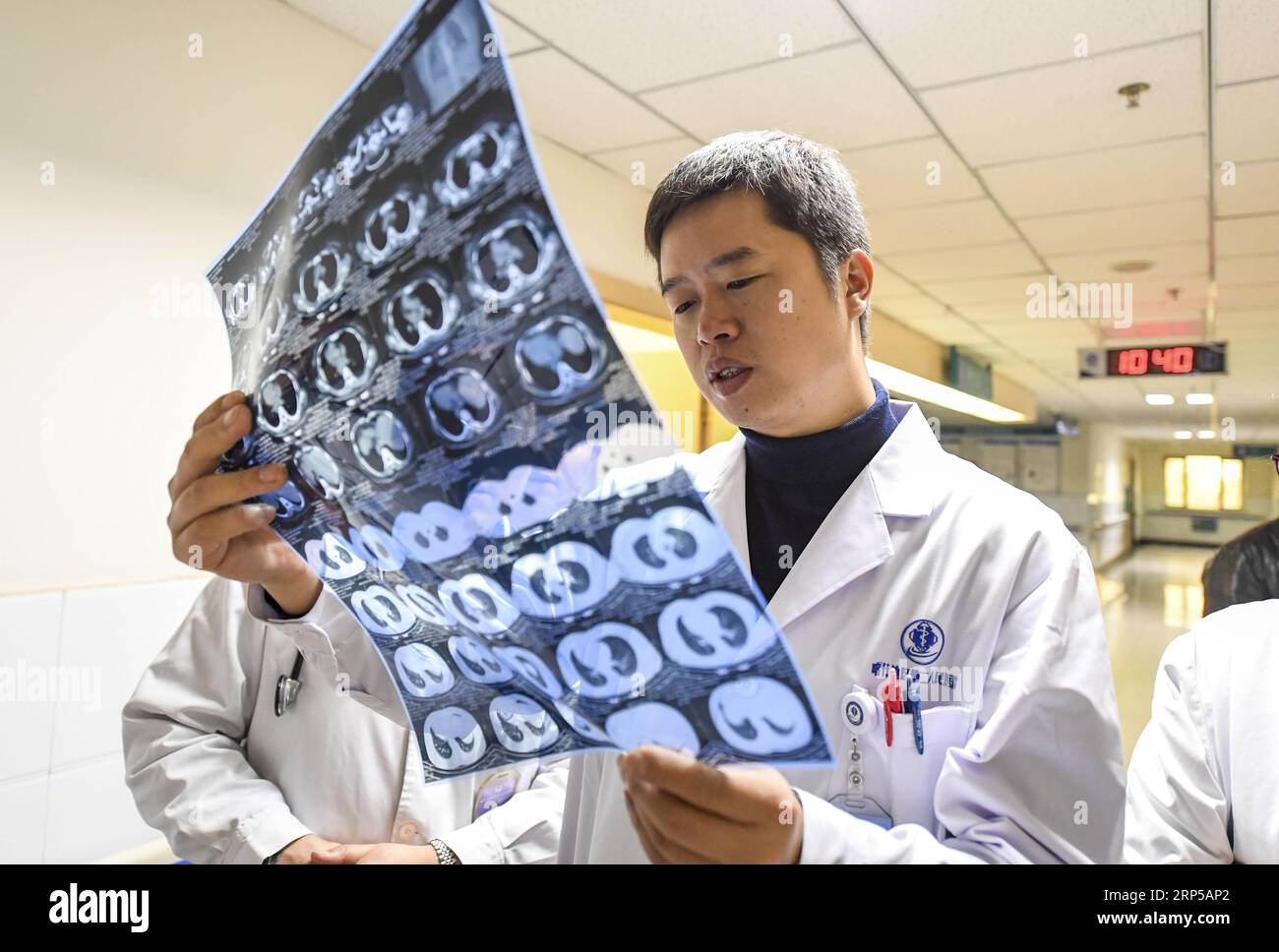
China has many hospitals with advanced CT imaging equipment, especially in major cities such as Beijing, Shanghai, Guangzhou and Shenzhen. For international patients, the key question is not only whether a hospital has a CT scanner, but whether the hospital is suitable for the patient’s medical condition, language needs and follow-up plan.
This guide explains how to choose hospitals for CT scans in China, why Beijing is often a practical choice, and what international patients should consider before arranging CT imaging.
Need Help Choosing a CT Hospital in China?
Chinese Medical Navigator helps international patients choose suitable hospitals, arrange CT appointments, prepare documents and communicate with hospital staff in Beijing.
Book a Free ConsultationWhat Makes a Hospital Good for CT Scans?
A good hospital for CT scans should not be judged only by the machine itself. Modern CT scanners are widely available in large Chinese hospitals. The more important question is whether the hospital has the right department, suitable specialists and a clear follow-up pathway after the scan.
For example, a chest CT for lung nodules may be better handled through a hospital with strong respiratory medicine, thoracic surgery or oncology departments. A brain CT may be better connected with neurology, neurosurgery or emergency care.
Why Beijing Is Often a Practical Choice
Beijing is one of the strongest medical cities in China. It has many leading Grade 3A hospitals, specialist hospitals and national-level medical resources. For international patients, Beijing is also practical because it has more international flight connections and more experience with patients from outside China.
For patients who need both CT imaging and specialist consultation, Beijing is often a better choice than selecting a hospital only by price. The value is not only the CT scan itself, but also the ability to see the right department after the results are available.
Best Hospital Types for Different CT Needs
Chest CT and Lung Problems
For chest CT, lung nodules, suspected infection, chronic cough, respiratory symptoms or cancer screening, patients should consider hospitals with strong respiratory medicine, thoracic surgery, oncology or radiology departments.
Brain CT and Neurological Symptoms
For head injury, severe headache, suspected bleeding, stroke evaluation or neurological symptoms, hospitals with strong emergency medicine, neurology or neurosurgery departments may be more suitable.
Abdominal CT
For abdominal pain, liver, pancreas, kidney, intestinal or tumor-related questions, large general hospitals with strong gastroenterology, general surgery, oncology and radiology departments may be appropriate.
Bone and Spine CT
For fractures, spine problems or joint evaluation, orthopedic hospitals or large general hospitals with strong orthopedic departments may be useful.
Cancer-Related CT
For cancer staging, treatment follow-up or tumor evaluation, patients should consider cancer hospitals or major general hospitals with oncology, radiotherapy, surgery and imaging departments.
Public Hospital, International Department or Private Clinic?
International patients in China may choose between standard public hospital departments, international departments and private medical centers. Each option has advantages and limitations.
- Public hospitals: often have strong specialists and advanced imaging, but may be crowded and mostly Chinese-speaking.
- International departments: may offer better communication and smoother service, but costs can be higher.
- Private clinics: may be easier to access, but complex cases may still need referral to major hospitals.
Should You Choose the Hospital Before the Scan?
Yes. Choosing the hospital first is important because CT is usually part of a larger medical pathway. Patients may need a doctor consultation before the scan and follow-up explanation after the report is ready.
If the hospital is not suitable for the patient’s condition, the patient may need to repeat registration, transfer records or seek another specialist elsewhere. This can waste time and money.
Can Foreigners Use Major Chinese Hospitals for CT?
Yes. Foreigners can usually use major Chinese hospitals for CT scans if they bring valid identification, such as a passport, and complete the normal registration and consultation process.
However, international patients should expect that many hospital systems, forms, payment windows and report collection procedures may be in Chinese. This is why translation and hospital navigation support can be useful.
What Should International Patients Prepare?
- Passport or valid ID
- Previous CT, MRI, X-ray or ultrasound reports
- Medical summary in English or Chinese
- Medication list and allergy history
- Information about kidney disease if contrast CT may be needed
- Insurance details if reimbursement is expected
- Clear description of symptoms and travel schedule
How Chinese Medical Navigator Can Help
Chinese Medical Navigator helps international patients choose a suitable route for CT scans in China. We do not rank hospitals as medical authorities, and we do not provide diagnosis. Our role is to help patients understand the hospital system and prepare practical arrangements.
- Help identify suitable hospitals and departments in Beijing
- Explain public hospital, international department and private care options
- Assist with CT appointment planning and hospital navigation
- Support English-Chinese communication
- Help organize medical reports before and after the visit
- Help arrange follow-up consultation after CT results are available
Related CT Guides
Explore More Imaging Guides
Compare MRI, CT and PET-CT in China, including costs, hospitals, waiting times and appointment booking.
Medical Imaging in China GuideNeed Help Finding a CT Hospital in China?
Send us your symptoms, body part to be scanned, travel city and medical records. We can help you understand which hospital route may be suitable before booking.
Book a Free ConsultationImportant Medical Disclaimer
Chinese Medical Navigator is not a hospital, clinic, doctor or medical institution. We do not provide diagnosis, prescriptions, CT interpretation, hospital rankings, treatment decisions or medical advice. Hospital choice and medical decisions must be discussed with qualified licensed medical professionals.